Estes Collision Shares Post-Crash Warning Signs To Watch Out For
Is Your Car Safe to Drive After a Collision Before an Inspection?
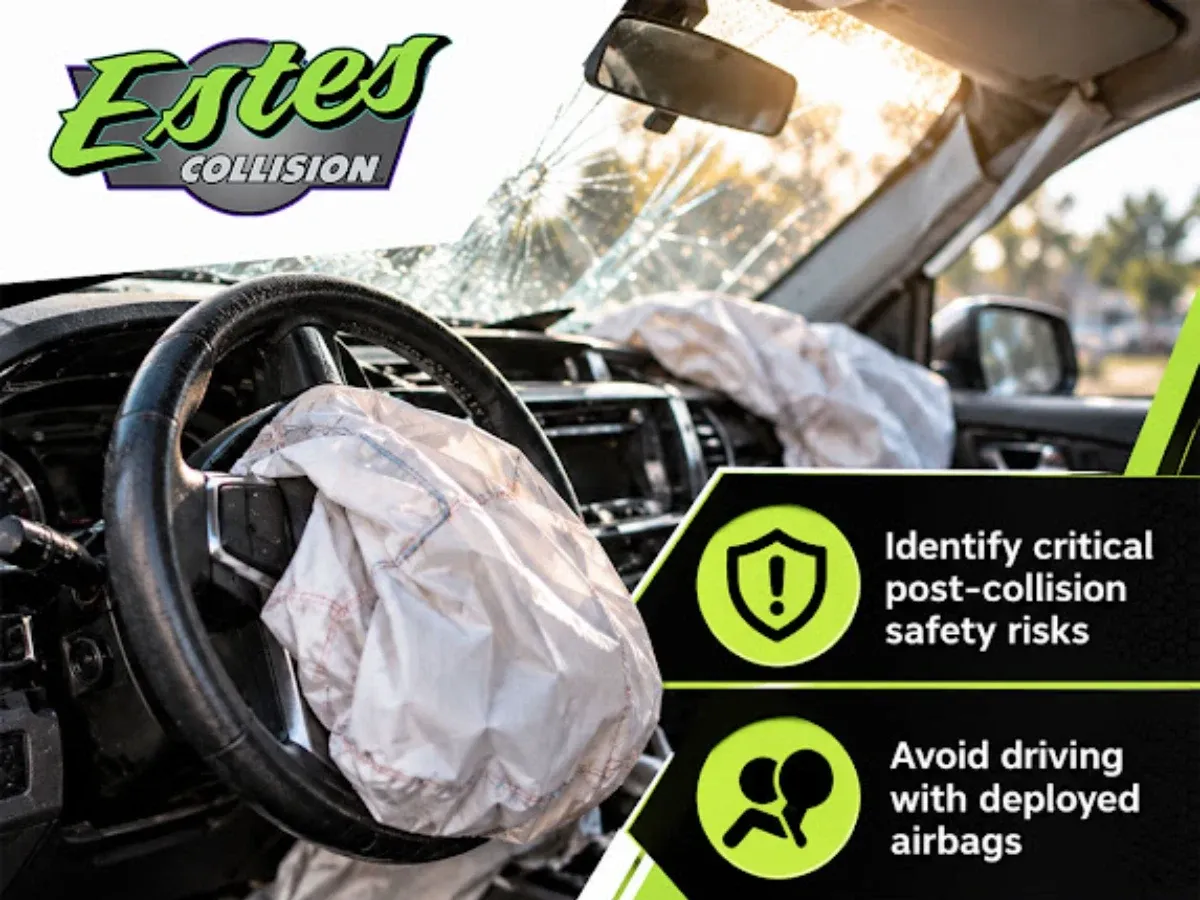
As the fall deer-collision season reaches its peak, Estes Collision is advising drivers on how to judge whether a damaged vehicle is safe to drive before a professional inspection. The Miami auto collision shop's guidance lists the warning signs that mean a car should stay parked and explains why a vehicle that starts and steers normally can still carry hidden damage after a deer strike or crash.
Why Fall Raises the Stakes for Damaged Vehicles
Animal collisions climb sharply in the final three months of the year. State Farm's annual analysis ranks November, October, and December as the months drivers are most likely to hit a large animal. Many of these strikes leave a vehicle drivable, which is why the decision to keep driving often falls to the owner.
Which Warning Signs Mean a Car Should Stay Parked?
A vehicle with any of the following signs should not be driven until it is inspected:
Fluid pooling under the car or a smell of fuel
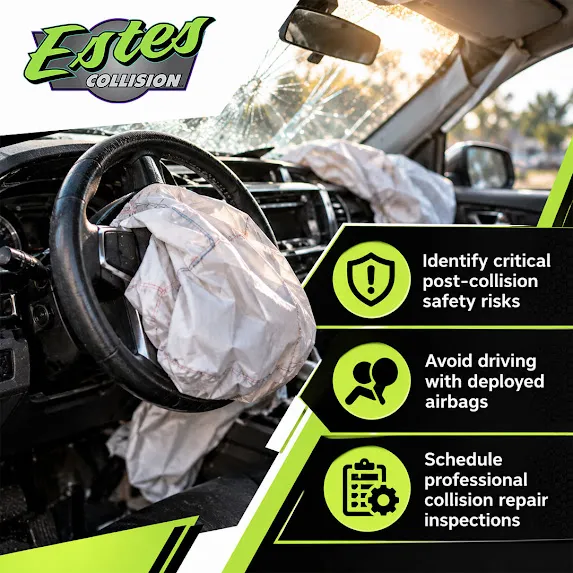
Deployed airbags or a lit airbag warning light
Headlights, taillights, or turn signals that no longer work
A hood, trunk, or door that will not close and latch
A cut tire, bent wheel, or steering that pulls hard to one side
The National Highway Traffic Safety Administration (NHTSA) advises that deployed airbags be replaced before a vehicle is driven again. NHTSA also notes that frontal airbags are generally designed to deploy in crashes equal to hitting a solid barrier at 8 to 14 mph or higher.
"A car that starts and drives can still be unsafe after a collision," said Amanda Estes, Co-Owner of Estes Collision. "If there is a fluid leak, a warning light, or a door that won't latch, we tell drivers to keep the car parked until someone can inspect it."
If none of these signs appear, a short, low-speed trip for professional collision repair is generally reasonable.
Why Does a Car That Drives Normally Still Need an Inspection?
Deer strikes and low-speed crashes often hit the front end, where the bumper cover can hide damage to the parts mounted behind it. Bumper collision repair can involve more than the visible cover, and a crash can bend parts without setting off the airbags.
"Deer strikes often look minor from the outside because the bumper cover takes the hit," Estes said. "What matters is what sits behind it, and that only shows up during a full inspection."
What Does a Post-Collision Inspection Involve?
A post-collision inspection looks for visible and hidden damage and sets the plan for collision repair after car accidents. At the Miami shop, the process includes:
Free estimates that are usually completed in 15 to 30 minutes
Repairs that follow OEM-aligned procedures using OEM-manufactured and qualified aftermarket parts
Direct coordination with most major insurance carriers when a policy covers the damage
A new facility with its own repair bays and a controlled paint booth
Schedule an Inspection Before the Next Drive
Drivers who have hit a deer or been in any collision this fall should have the vehicle inspected before returning to daily driving. Owners can call (918) 542-6699 or email estescollision@gmail.com to schedule a free estimate. The shop handles professional collision repair for drivers across the region.
About Estes Collision
Founded in 2015 by Billie and Amanda Estes, the family-owned shop provides full-service collision repair, auto body repair, paintless dent repair, frame straightening, glass replacement, and automotive painting with Sikkens paint. Billie Estes began training in collision repair and refinishing in 2007. The shop is a member of the Oklahoma Auto Body Association (OKABA) and backs its repairs with a limited lifetime warranty for as long as the customer owns the vehicle.